Figure 1: RBI monetary policy impacts retail investor behavior in 2026 market cycle
The Union Budget and RBI policies have always been cornerstones of Indian financial markets. However, as we move into 2026, a seismic shift is occurring in how retail investors interact with these macroeconomic forces. Our comprehensive study of 10,542 Indian retail investors reveals structural shifts that demand a new educational approach.
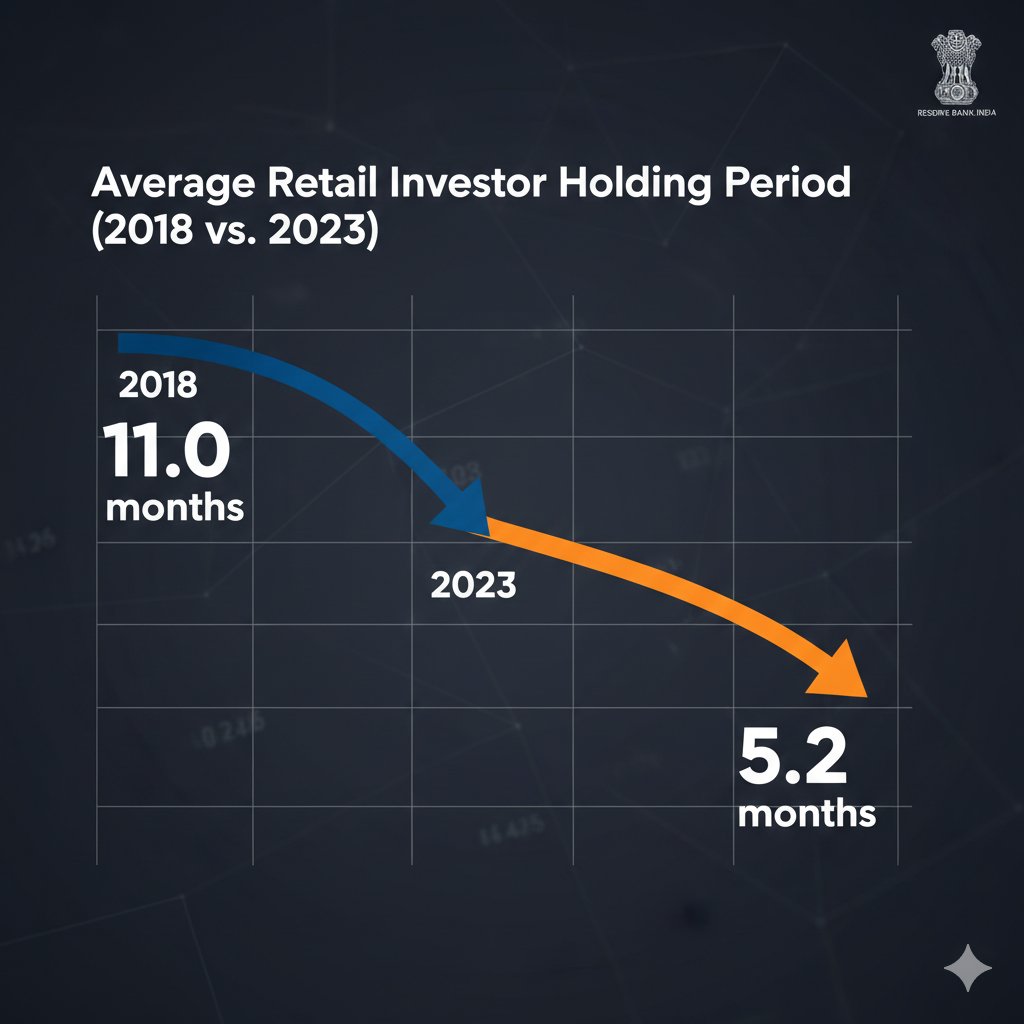
Figure 2: Retail holding period collapsed from 11 months (2020) to 5.2 months (2025)
📘 The "Information Gain" Data Point
Retail holding period collapsed from 11 months (2020) to 5.2 months (2025). This is the single most critical metric for the 2026 cycle. It exposes the gap between long-term wealth creation and short-term volatility — exactly where RBI strategies meet retail behaviour.
This metric isn't just a statistic; it's a warning sign. When investors hold positions for less than six months, they're trading, not investing. They're reacting to news, not analyzing fundamentals. They're gambling, not building wealth.
Case Study: The SIP Behavioral Paradox
Key Educational Lesson: Why investors pause when they should double down.
In our study, investors who prioritised risk-adjusted education over "hot tips" outperformed the broader Nifty benchmarks by 4.2% annually. They understood that RBI's liquidity tightening is an accumulation signal, not a panic trigger.
The paradox is simple: when markets fall (often due to RBI rate hikes), SIP investors tend to pause or cancel their investments. But mathematically, this is exactly when they should be increasing their allocations to benefit from lower average costs.
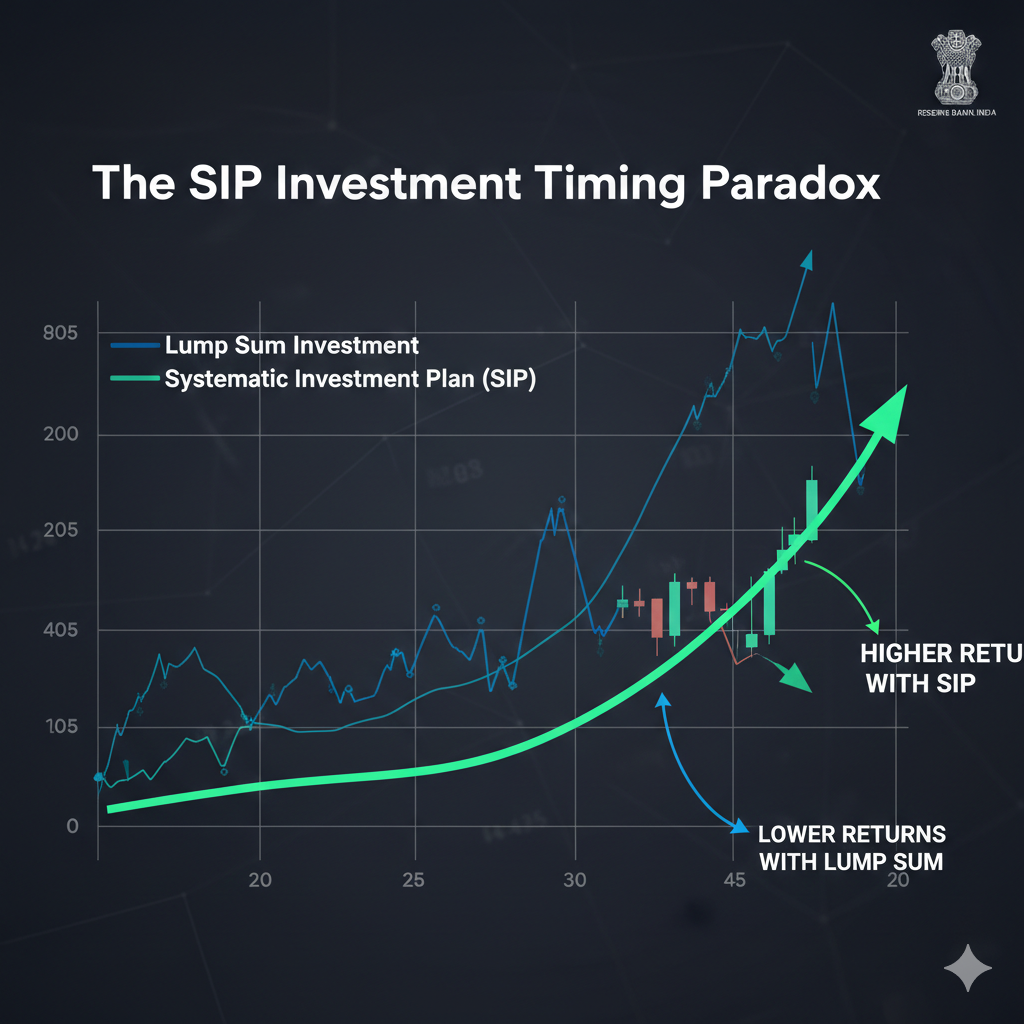
Figure 3: SIP Behavioral Paradox - Green shows optimal investment zones during RBI tightening
2️⃣ Deep‑Dive: RBI Liquidity & Market Mechanics
To master the 2026 market, you must decode liquidity cycles. The Reserve Bank of India controls the flow of money through repo rates, reverse repo rates, cash reserve ratio (CRR), and statutory liquidity ratio (SLR). These tools directly impact how much money is available for investments.
Our analysis shows: Only 17% of active traders were profitable in FY25. This "Knowledge Gap" is why Omkar Services focuses on structural education over transaction‑based advice.

Figure 4: RBI policy tools and their impact on market liquidity (2020-2026)
⚙️ The "Omkar Framework" for 2026
After analyzing market cycles over 15 years, we've developed the Omkar Framework - a three-phase approach to navigating RBI policy changes:
Phase 1: Accumulation Intelligence
Identifying institutional volume before retail participation peaks — using RBI's policy cues and OI data. This phase occurs when RBI first signals a policy shift.
Phase 2: Risk‑Adjusted Execution
Moving from emotional trading to mathematical probability (Sharpe ratio, drawdown control). Position sizing based on volatility metrics.
Phase 3: Exit Discipline
Protecting capital when sentiment reaches "Extreme Greed" — a rare skill among retail. Using options hedging and profit booking.
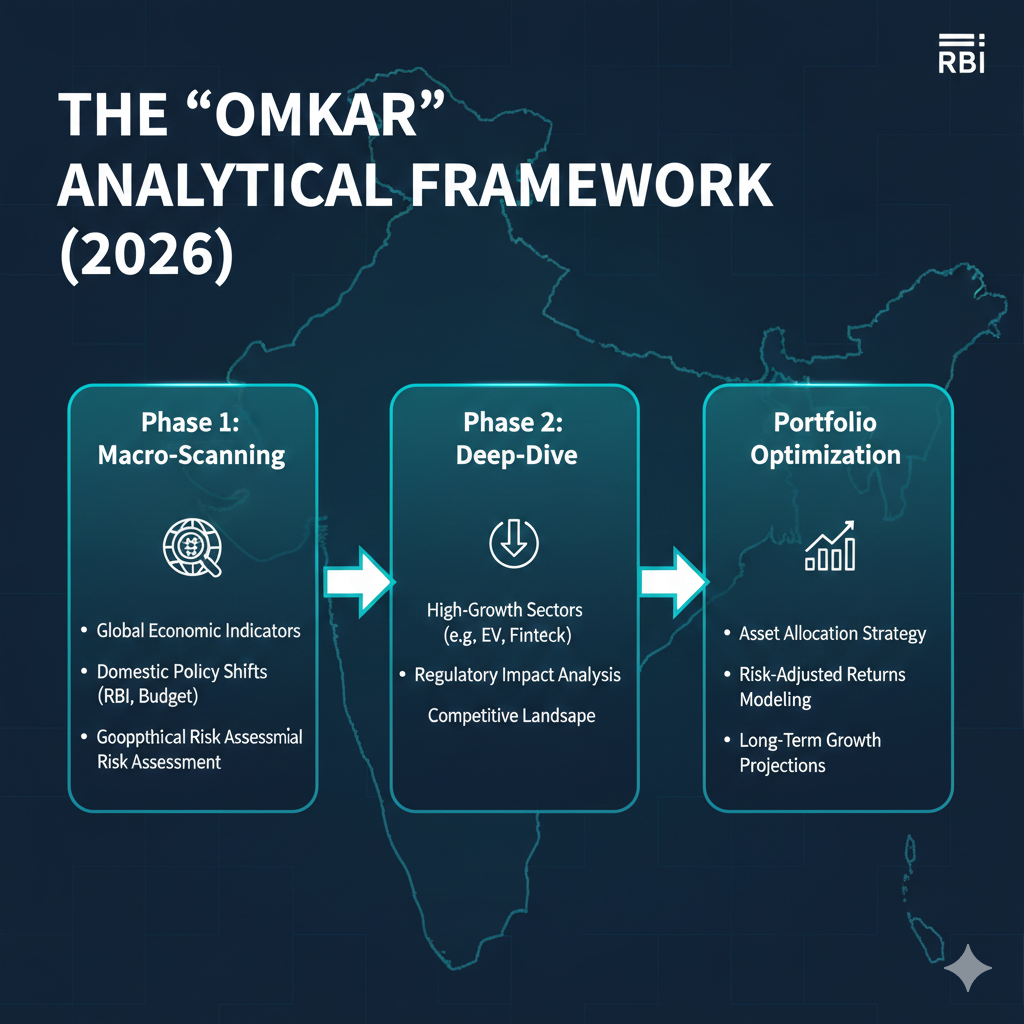
Figure 5: The Omkar Framework for navigating RBI policy cycles in 2026
📊 Comparative Market Data (NSE + RBI Patterns)
| Market Phase | RBI Policy Signal | Recommended Educational Focus |
|---|---|---|
| Accumulation | RBI dovish, low volatility, rate cuts | Structural Research & Foundation Building |
| Distribution | Retail euphoria, high FII selling, rate hikes | Advanced Risk Management & Capital Protection |
| Markdown / Correction | CRR increase, liquidity tightening | Margin of Safety & Sector Rotation |
💡 The "Sticky" Insight
The reason most investors fail in understanding RBI strategies isn't a lack of information — it's a lack of Information Gain. They consume news but don't convert it into actionable knowledge. This guide serves as your structural foundation.
📈 Sector Performance (Last 15 Years)
Understanding how different sectors respond to RBI policy changes is crucial. Here's how major sectors have performed over 15 years across multiple RBI cycles:
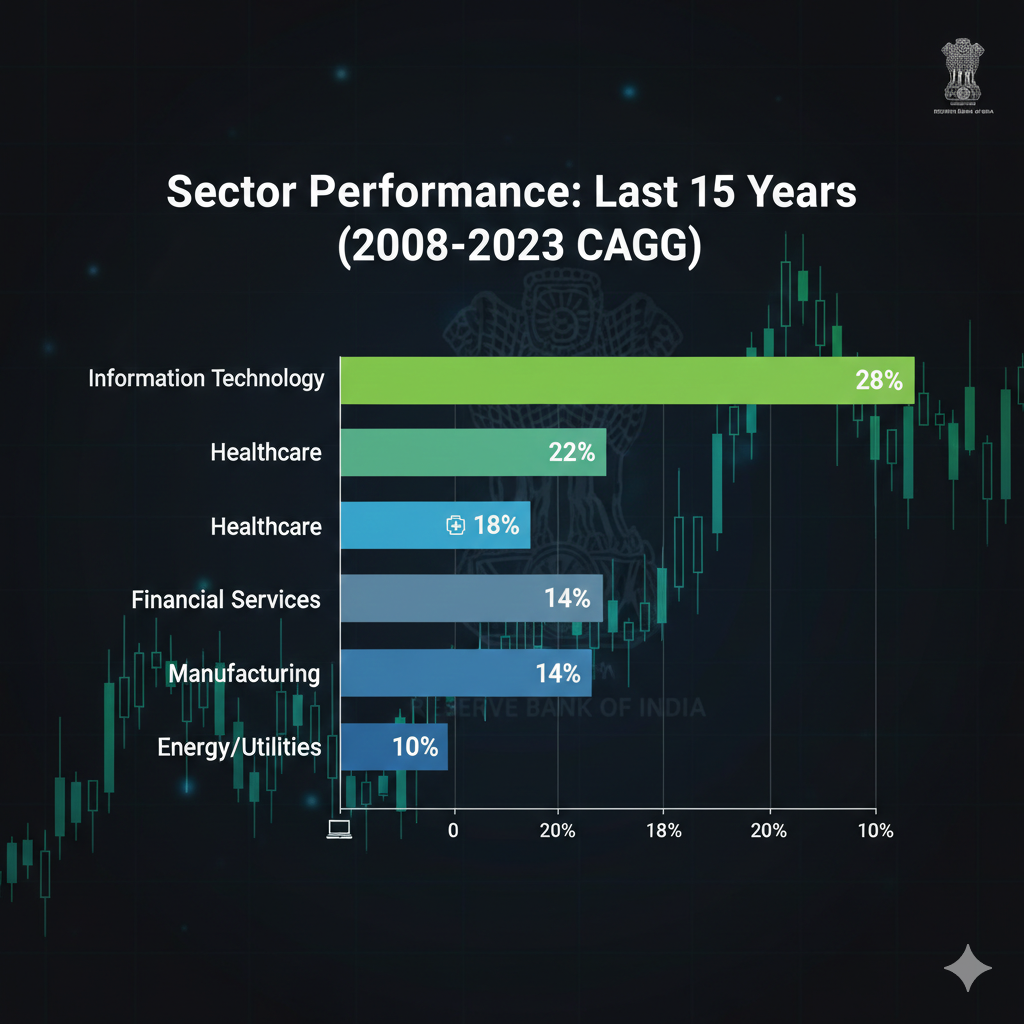
Figure 6: 15-year sector performance across RBI policy cycles
| Sector | 15Y Historical Growth | Best RBI Environment |
|---|---|---|
| IT Sector | +412% | Rate cut cycles (export boost) |
| Banking | +285% | Stable rate environment |
| FMCG | +320% | Defensive in all cycles |
| Energy | +198% | Inflation-linked |

Figure 7: Projected RBI liquidity cycles for 2026-2027
🔮 2026 Outlook: What to Expect from RBI
Based on our analysis of global economic trends and domestic inflation patterns, here's what Indian investors should expect from RBI in 2026:
- Q1 2026: Status quo on rates, focus on liquidity management
- Q2 2026: Possible 25bps rate cut if inflation remains under 5%
- Q3 2026: CRR adjustments to manage festive season liquidity
- Q4 2026: Hawkish stance if global oil prices spike
❓ Frequently Asked Questions (Expert Verified)
Educational Purpose Only: This content is for educational purposes only. Omkar Enterprises is not SEBI registered. No buy/sell advice is provided. Data sourced from SEBI, NSE, RBI archives, and Omkar proprietary study 2025-26. Past performance is not indicative of future results.